
Surf, Environment, and Communities: Riding the Waves in Harmony with the Planet
Surfing is an art, a passion, and a way of life that connects humans directly with the power of nature. Every wave ridden offers a sense of freedom and a profound respect for the ocean. However, like any human activity, surfing leaves a mark—on the environment and on local communities. This doesn’t mean we have to give up the magic of surfing but rather learn to approach it more consciously, turning it into a tool to protect oceans and support those who live by their shores.
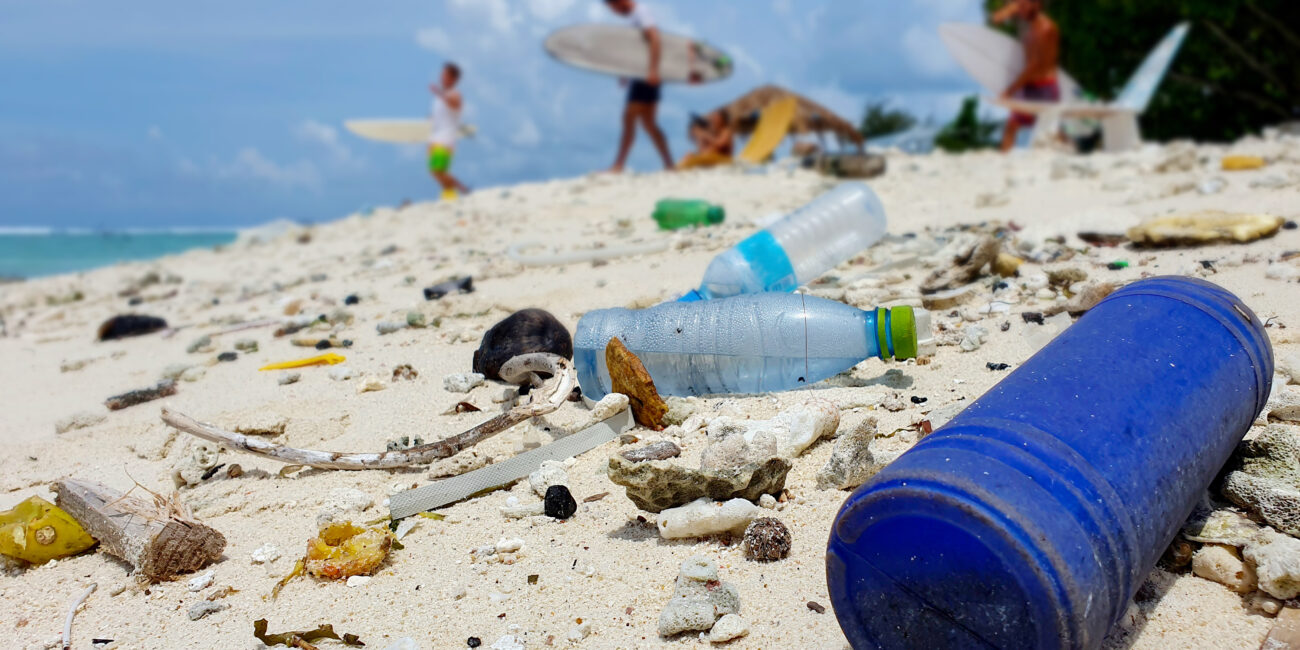
Surfing and the Planet: What Is Our Impact?
Surfboards and Materials
Surfboards are the heart of the sport, but most are made from synthetic materials like polyurethane, resin, and fiberglass, which are difficult to dispose of sustainably. Each board produces up to 220 kg of CO2 during its manufacturing process. Given the global growth of surfing, this translates into a significant footprint for our planet.
The good news is that the industry is beginning to change. Increasingly, companies are developing boards made with recycled materials, bio-based foams, and natural resins. These products show that it’s possible to combine high performance with a reduced environmental impact, making surfing a more sustainable practice.
Wetsuits: Necessary but Environmentally Costly
Wetsuits, essential for tackling cold waters, are traditionally made from neoprene, a petroleum-based material. However, alternatives like Yulex—a natural rubber—are gaining traction thanks to their lower environmental impact. Choosing eco-friendly wetsuits not only protects the ocean but also sends a clear message to the industry: we want sustainable innovation.
Travel and Tourism: Riding the Wave Responsibly
For many, surfing is synonymous with adventure and travel, but reaching faraway destinations often involves airplanes, cars, or other high-emission modes of transport. However, there are ways to balance the desire to explore with respect for the environment. Choosing closer destinations, prioritizing more sustainable transportation methods, and offsetting one’s emissions are concrete steps toward more responsible surfing.
At the same time, surf tourism can be a valuable resource for coastal communities, but it’s important that this opportunity is managed equitably and sustainably, avoiding overcrowding and harm to ecosystems.
Surf Wax: Small Details, Big Impact
Even the smallest details matter. Surfboard wax often contains chemicals that, when dissolved in water, can contaminate marine ecosystems. Fortunately, biodegradable and toxin-free alternatives are now available, allowing surfers to enjoy the waves without consequences for the environment.
A Wave That Unites: The Social Impact of Surfing
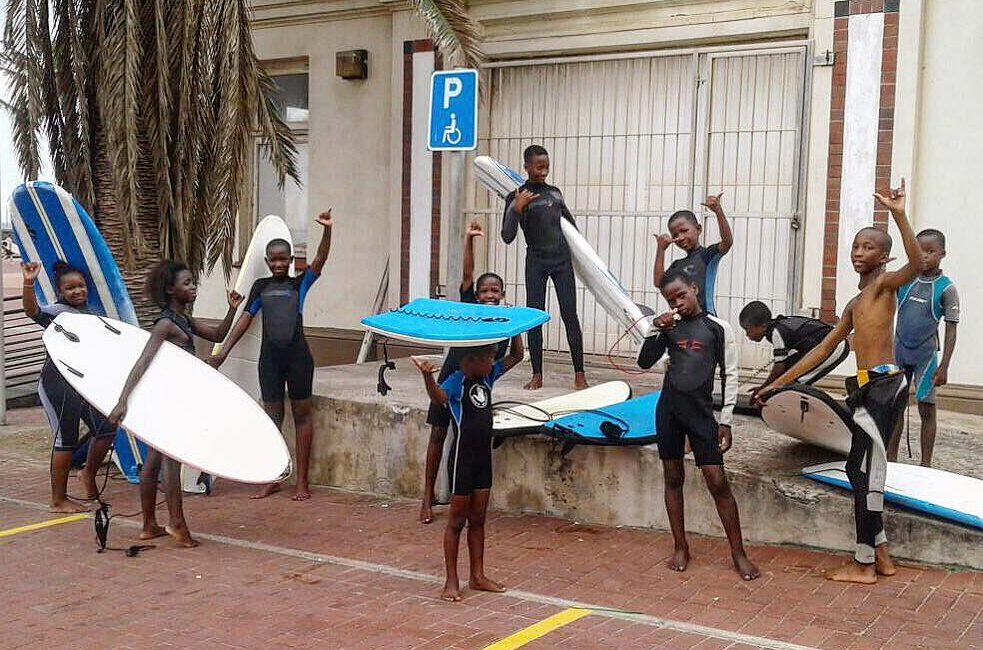
Image Credits: Surfers Not Street Children
Surfing is more than a sport; it’s also a catalyst for change in coastal communities. In many destinations, from Indonesia to South Africa, surfing has brought economic opportunities but also new challenges.
Opportunities for Local Communities
Surf-related tourism can generate jobs and support local economies through accommodations, surf schools, and equipment shops. However, to be truly sustainable, these opportunities must be distributed fairly and respect the traditions and needs of host communities.
For example, projects like Waves for Development in Peru or Surfers Not Street Children in South Africa use surfing as a tool to educate, include, and empower local youth, proving that surfing can be a vehicle for positive social change.
Respecting Local Cultures
In places like Hawaii, where surfing has deep spiritual and cultural roots, it’s essential for visitors to respect the history and traditions tied to the sport. Collaborating with local communities, listening to their needs, and supporting locally-led initiatives is fundamental to creating tourism that benefits everyone—not just visitors.
How to Make Surfing an Ally for the Environment and Communities?
Surfing, with its ability to connect people to nature, has unique potential to become a model of sustainability. Here are some actions that can make a difference:
Innovation in Materials
Supporting companies that invest in sustainable boards and wetsuits is a way to encourage the industry to change. Brands like Firewire, certified as Ecoboard, are proving that it’s possible to create high-performance equipment while respecting the environment.
Supporting Responsible Tourism
Every surfer can contribute by choosing destinations that promote sustainable practices, supporting local businesses, and respecting guidelines to preserve beaches and ecosystems.
Participating in Conservation Projects
Organizations like Surfrider Foundation and Sustainable Surf offer surfers and enthusiasts opportunities to participate in beach cleanups, mangrove reforestation, and marine habitat protection.
Educating and Raising Awareness
Being a conscious surfer also means sharing knowledge. Talking to other surfers about sustainable practices, promoting the use of eco-friendly gear, and participating in educational events can help create a more attentive and responsible global community.
A Call to Surfers: Let’s Protect What We Love
Surfing is more than a sport: it’s a way to celebrate and live nature in all its beauty. Understanding the impact of our actions doesn’t mean giving up on riding waves but learning to do so with greater respect, awareness, and foresight.
Every wave ridden is a reminder of how extraordinary and fragile our planet is. As guardians of the ocean, we have a duty to protect it—not just for ourselves but for future generations. With small actions and informed choices, we can make surfing not only a personal experience but also a concrete contribution to a better world.
Sources:
1. Sustainable Surf Program, 2009 report.
2. Patagonia, “Alternative to Neoprene: Yulex.”
3. Surfrider Foundation, 2021 report.
4. “Impact of Surf Wax on Marine Ecosystems,” Journal of Marine Science, 2018.
5. Bali Surf Report, 2020.
6. Hawaii Indigenous Rights Council, 2021 document.
7. Firewire Sustainability Report, 2022

AJ
Nice one